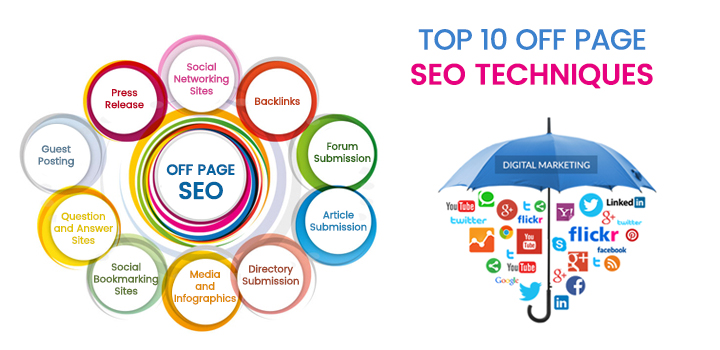
Strategies to Boost Your Website’s Authority and Rankings
When it comes to ranking higher in search engine results, off-page SEO is just as important as the content on your website. While on-page SEO focuses on optimizing elements within your site, off-page SEO is all about improving your website’s reputation and authority outside of your own domain.
Off-page SEO refers to all the activities you do outside your website to improve its search engine rankings. The goal is to show search engines that your site is credible, valuable, and authoritative, based on how others interact with and refer to it.
Key Elements of Off-Page SEO:
-
Backlinks (Link Building)
-
Online Brand Mentions
-
Guest Blogging
-
Influencer Outreach
-
Local SEO (Google Business Profile, reviews)
-
Forum Participation
-
Content Marketing & Sharing
1. Backlinks: The Heart of Off-Page SEO
Backlinks—links from other websites to yours—are one of Google’s top ranking factors. They act like votes of confidence.
Types of Backlinks:
-
Natural Links: Earned organically (e.g., someone references your content in a blog post).
-
Manual Links: Acquired through outreach or link-building efforts.
-
Self-Created Links: Placed by you (e.g., in forums, directories—use these sparingly).
Tips for Earning Quality Backlinks:
-
Create valuable, original content others want to link to.
-
Build relationships with industry influencers and bloggers.
-
Offer guest posts to high-authority sites.
-
Avoid spammy or irrelevant backlinks—they can hurt your rankings.
2. Social Media Engagement
While social signals (likes, shares) aren’t direct ranking factors, active engagement helps increase content visibility and link opportunities.
-
Share your content consistently across platforms.
-
Encourage audience interaction and sharing.
-
Collaborate with social media influencers to expand reach.
3. Online Brand Mentions
Even unlinked brand mentions can influence your site’s authority.
-
Monitor mentions using tools like Google Alerts, Brand24, or Mention.
-
Engage in PR campaigns and get featured in online publications or news outlets.
4. Guest Blogging
Writing articles for reputable websites in your industry can:
-
Build authority
-
Drive referral traffic
-
Earn quality backlinks
Ensure your guest posts are high-value and published on relevant, authoritative websites.
5. Influencer Outreach
Partnering with influencers can rapidly boost your site’s visibility.
-
Reach out to influencers in your niche to promote your content or product.
-
Offer collaboration opportunities like interviews, co-authored content, or product reviews.
6. Local SEO & Google Business Profile
For businesses with a local presence, off-page SEO includes:
-
Claiming and optimizing your Google Business Profile
-
Getting positive customer reviews on platforms like Google, Yelp, and industry directories
-
Building local citations (mentions of your business name, address, phone)
7. Forum Participation
Join relevant online forums like Quora, Reddit, or niche-specific communities.
-
Answer questions and offer genuine value.
-
Use your website link only where it adds context—don’t spam.
8. Content Marketing & Sharing
Shareable content leads to natural backlinks. Content types that work well include
-
Infographics
-
Case studies
-
Research reports
-
How-to guides
-
Viral videos
Use content-sharing platforms like Medium, SlideShare, or LinkedIn to amplify your reach.
Off-Page SEO Best Practices
-
Focus on quality over quantity: One link from a high-authority site is worth more than dozens of low-quality ones.
-
Stay ethical: Avoid black-hat tactics like link farms or paid link schemes—they can get you penalized.
-
Be consistent: Off-page SEO is a long-term process. Regularly engage with your audience and network.